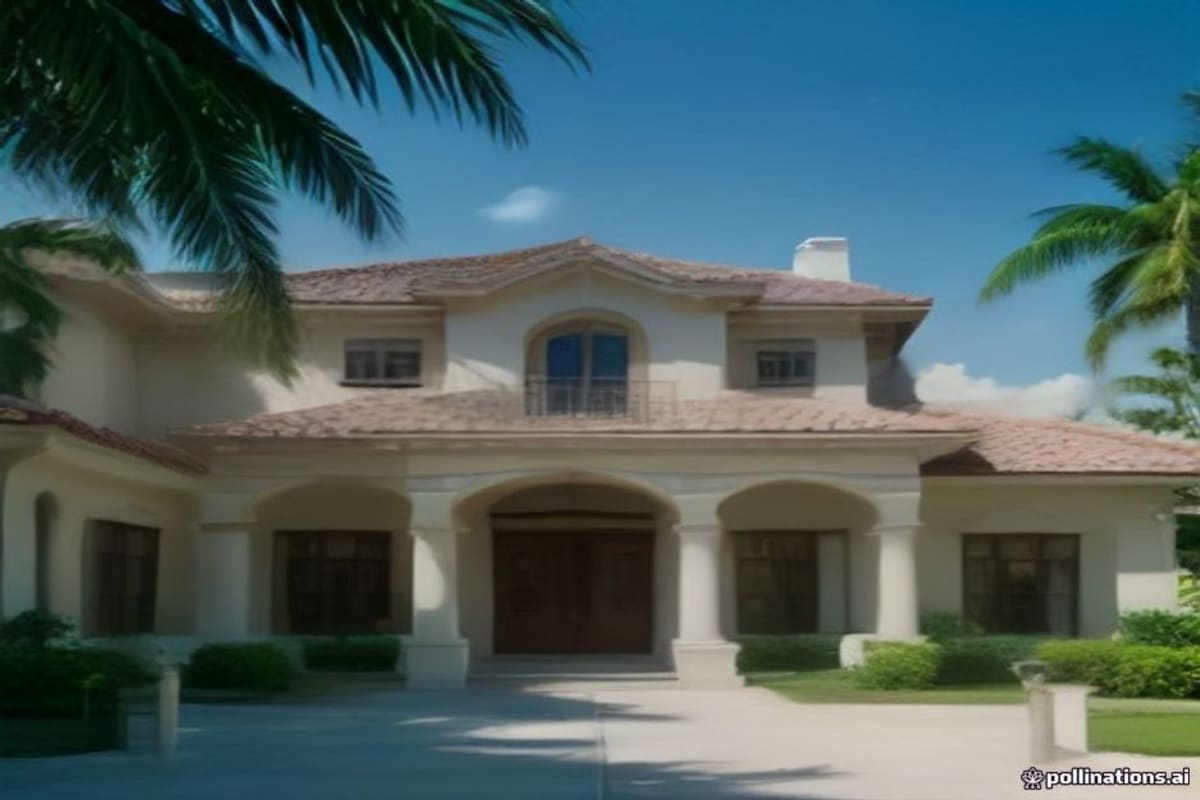
Leaving Los Angeles or the Bay Area for Boca Raton? Taxes, Prop 13 vs. homestead, insurance, what your budget buys, and how to make Florida your domicile.
A growing share of my calls now start with a 310, 415, or 650 area code. Usually it's a family that has done well in Los Angeles or the Bay Area and wants to know whether Boca Raton is a real answer. My honest answer is that it can be an excellent move, but only if you plan the tax side, the house and the insurance together. Each one affects the other two.
This guide covers what I walk California clients through before they ever tour a home here. It's written from a broker's chair, not a CPA's, so treat the tax material as a starting point for a conversation with your own advisors, not as tax advice.
The Income Tax Gap Is Real, and It Has Conditions
Florida has no state personal income tax. California has the highest top marginal rate in the country: 13.3% on the highest incomes. On top of that, California withholds State Disability Insurance from wages, and since 2024 that withholding has applied to all wages with no cap. For a household with substantial W-2 income, a liquidity event or a large capital gain on the horizon, the difference is often the reason the conversation starts.
The condition is that you have to actually leave. Moving your mailbox isn't enough. California has a long track record of residency audits on high earners who say they've moved to a no-income-tax state, and it looks at the full picture: where your family lives, where you spend your days, where your doctors, advisors, club memberships and children's schools are, and which home you treat as your real one. Keeping a California house isn't automatically a problem, but it raises the bar.
Timing your move around a big taxable event is a decision for your CPA and attorney, and it should be made months before you sign a contract here, not after.
Keep in mind that California can still tax income it considers California-source after you move. Depending on the facts, that can include the sale of California real estate and some deferred or equity compensation earned while you lived there. This is exactly why I ask clients to bring their tax advisor into the plan early.
Property Taxes: Prop 13 vs. Save Our Homes
Californians already understand the idea behind Florida's system, because the two are cousins. Under Proposition 13, your base rate is 1% of assessed value plus voter-approved local levies, and assessed value can rise no more than 2% a year until the property sells. Many long-time owners are paying taxes on a value set years ago.
Florida's version is the homestead exemption together with the Save Our Homes cap. If the Boca home is your permanent residence as of January 1 and you file for homestead (the deadline is March 1), you get an exemption of up to $50,000 off assessed value. After that, annual increases in assessed value on your homestead are capped at 3% or the change in CPI, whichever is lower. Non-homestead property gets a separate, looser cap that doesn't apply to school taxes.
Two practical points come up in almost every California relocation:
- Plan your budget around your own future tax bill, not the seller's. Florida reassesses at sale, so a seller who has owned for fifteen years may be paying far less than you will. I help clients estimate the post-sale bill from the purchase price and the local millage before they make an offer.
- Your Prop 13 base stays in California. Florida's portability feature only moves Save Our Homes savings between Florida homesteads. You start fresh here.
Trading Wildfire and Earthquake for Hurricanes
Every coastal market carries a natural-hazard premium. California buyers have watched carriers pull back from wildfire areas and know earthquake coverage is a separate, expensive decision. In South Florida, the risk is wind and water, and the insurance conversation should happen before you fall in love with a house, not after.
What drives a Boca Raton insurance quote
- Roof age and type. Carriers look closely at this, and an older roof can limit your options or raise the premium noticeably.
- Wind mitigation features. Impact-rated windows and doors, roof-to-wall connections and secondary water barriers are documented in a wind mitigation inspection and can earn meaningful credits.
- Construction era. Homes built under Florida's stronger post-2002 building code generally insure more favorably than older construction.
- Flood zone and elevation. Flood coverage is separate from your homeowner's policy. Waterfront and lower-lying parcels need their own analysis.
The way I put it to clients: in California, the hazard often decides whether you can get a policy at all. Here, a home's construction and mitigation have a large and measurable effect on what you pay, which means part of the risk is something you can actually evaluate and improve.
What $2M to $10M Looks Like in Each Market
I won't quote average prices to make the comparison look neat, because each market varies too much within itself. What I can describe is the pattern buyers notice once they start touring.
In much of coastal Los Angeles and the closer-in Bay Area, a budget in the low millions often buys a smaller, older home on a tight lot, and land is the main thing you're paying for. In Boca Raton, the same budget generally opens the door to a renovated single-family home in a gated golf or country-club community, a well-located condominium on or near the water, or a home on a canal with a private dock.
As you move toward the upper end of that range, the Boca choices shift to newer or fully rebuilt estates in established gated communities, deepwater Intracoastal homes with ocean access and room for a serious boat, and full-service oceanfront residences. The best way to calibrate is to tell me what your California home gives you today, whether that's a view, a yard, a school district or a short commute, and let me show you what the equivalent costs here.
Lifestyle, Time Zones and the Flight Home
The adjustment people mention most isn't the humidity. It's the clock. Boca Raton is three hours ahead of California, which helps if you work with East Coast or European markets and hurts if your team is still in Palo Alto.
Getting back west is easy. Fort Lauderdale-Hollywood International is roughly a half-hour drive south and Palm Beach International roughly a half-hour north, with Miami a bit farther. Major carriers fly nonstop between South Florida and both LAX and SFO. For private aviation, Boca Raton Airport is right in the city.
The rest of the shift is about pace. You trade canyons and hiking for the Intracoastal, the Atlantic and a boating culture, plus exclusive golf and club life if that appeals to you. The winter months are the high season. Summer is quieter and hotter.
Making Florida Your Domicile
Once the house is chosen, I give clients a short list of steps that help document a genuine change of domicile. Your attorney may add to it.
- File a Declaration of Domicile with the Palm Beach County Clerk of the Circuit Court.
- Get a Florida driver's license and register your vehicles here. Florida expects new residents to get a license within 30 days.
- Register to vote in Palm Beach County and cancel your California registration.
- File for homestead with the Palm Beach County Property Appraiser by March 1 following the January 1 when you qualify.
- Move your life, not just your paperwork: doctors, banking relationships, estate documents, memberships and where you actually spend your days.
None of these steps alone settles the residency question, and California looks at the overall pattern. That's why I tell every client from California the same thing: sit down with a CPA and an estate attorney who regularly handle California-to-Florida moves, ideally before you go under contract.
Planning the Move With One Person Who Knows Both Sides
A California relocation works best when the house, the insurance and the timing are planned together. I work with each client directly, from the first call about neighborhoods through the insurance review and the closing table. I'll coordinate with your California advisors so the real estate supports the larger plan instead of complicating it. One Broker. One Priority. You. When you're ready to compare what your California life looks like here, call me at 561-287-7247.
— Julian Rizzuto Flancbaum
Thinking about a move?
Every inquiry is reviewed personally — you get me, not an assistant.
Call 561-287-7247 See the PropertiesMore Insights
Buyer's Guide
Buying a Second Home in Boca Raton: A Snowbird's Guide to Owning Part of the Year
October 2, 2026

Neighborhood Guide
Living in Highland Beach, FL: A Luxury Buyer's Guide to Boca's Barrier-Island Town
September 30, 2026

Buyer's Guide
Buying Into an Uninspected Florida Condo Tower: What the Risk Actually Looks Like
September 29, 2026